Pest Control Maintenance Plan for Year-Round Protection

A pest control maintenance plan provides ongoing inspections, monitoring, seasonal adjustments, and prevention measures that help Eastern Idaho homes and businesses identify pest activity early. It delivers year-round protection from common pests, including ants, spiders, wasps, rodents, and occasional invaders. Targeted service also addresses urgent pest issues as they arise.
Key Takeaways
- Maintenance plans adapt to each property, local pest pressure, seasonal conditions, and common pest entry points.
- Routine service often includes inspections, exterior prevention, monitoring, exclusion recommendations, and scheduled follow-ups.
- Indoor rodents, bed bugs, cockroaches, wasp nests near entrances, and signs of structural pest damage may require prompt inspections and targeted treatment.
- Seasonal shifts in Eastern Idaho can increase pest activity near garages, sheds, crawl spaces, basements, outdoor storage areas, and adjacent open land.
- Property care between visits, such as sealing gaps, repairing screens, reducing clutter, managing food and trash, and reporting new activity, strengthens professional pest control service.
Do We Need Ongoing Protection or Immediate Pest Help?
A pest control maintenance plan helps reduce recurring pest problems and catches new activity early. It does not promise that no pest will ever appear, since weather, nearby fields, construction, sanitation, and property conditions can all affect pest pressure.
Ongoing prevention is often a practical choice for homes with repeated sightings, predictable seasonal activity, or recurring ants and spiders. It can also help properties that want to prevent rodents before they move indoors. Garages, sheds, basements, crawl spaces, acreage, and outdoor storage areas all create places where pests may shelter or find entry points.
For businesses, routine pest control supports a clean, professional environment. Restaurants, offices, warehouses, hospitality properties, and rental units often benefit from consistent inspections and timely response. Our commercial pest control services help businesses monitor conditions and address concerns without unnecessary disruption.
Some concerns need prompt attention instead of waiting for routine maintenance. We recommend a pest inspection for rodents indoors or signs of rodent activity, active wasp nests near entrances, cockroaches, bed bugs, unexplained pest damage, or possible structural pest activity. Avoid diagnosing a pest issue without an inspection. A maintenance plan may support the long-term solution, but bed bugs, cockroaches, active rodents, wasp nests near occupied areas, and signs of structural damage may require immediate targeted treatment.
What Is a Pest Control Maintenance Plan?
A pest control maintenance plan is an ongoing prevention and monitoring program for homes and small businesses. It is property-specific because every structure, season, and pest concern is different.
A one-time treatment addresses a current, identified problem. For example, an active ant trail, a wasp nest, or a rodent concern may call for a focused service. Recurring maintenance takes a broader approach. It includes routine inspections, prevention work, monitoring, seasonal adjustments, and early response when new activity appears.
Some properties need both. We may begin with a targeted treatment to address active pests, then recommend ongoing service to reduce the chance of repeated activity. Our local pest control services focus on clear findings and practical next steps rather than one-size-fits-all recommendations.
Pest control maintenance plans vary by property type, pest pressure, season, local conditions, and active infestations. Visit schedules, covered pests, treatment methods, and follow-up options can differ. A plan can reduce risk and help us address activity early, but no service can remove every outdoor influence around a property.
For a closer look at the preventive approach, see our guide to preventative pest control. Consistent care protects a property best when it combines professional service with good maintenance practices.
What Does a Pest Control Maintenance Plan Include?
What a pest control maintenance plan includes depends on the provider and the property. Still, most pest control maintenance plans start with an assessment of pest activity, property conditions, and likely access points.
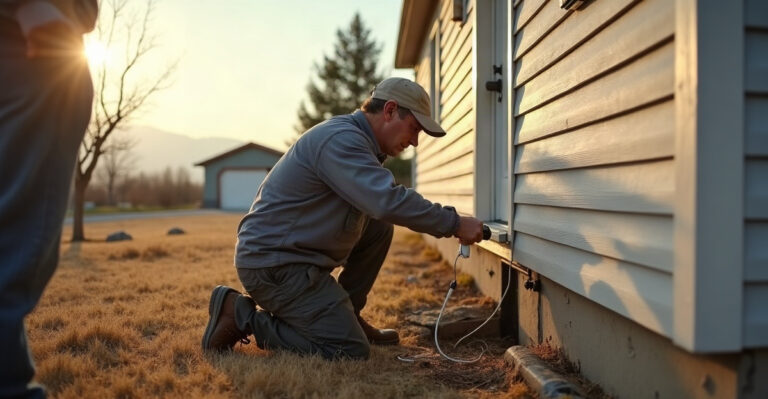
We identify the pest whenever possible and inspect areas where activity may begin or continue. That may include foundation gaps, doors, windows, vents, utility openings, garages, crawl spaces, basements, sheds, landscaping, and exterior storage areas.
A plan may include an exterior perimeter service that helps reduce pest activity around the structure. Interior treatment is generally used when an inspection shows it is needed. This measured approach helps us focus service where it can do the most good.
Harborage means places where pests hide, rest, nest, or gather. Common harborage areas include cluttered storage spaces, cracks, crawl spaces, sheds, cardboard, stacked materials, and gaps around utility lines. Identifying these areas helps us make useful prevention recommendations.
Other common plan features may include pest monitoring, seasonal adjustments, scheduled follow-ups, exclusion recommendations, and details about retreatment or additional service. Pest monitoring simply means checking for signs of activity over time. Exclusion recommendations are practical steps that help block pest entry points, such as repairing screens or sealing suitable gaps.
We recommend reviewing written service details before selecting a plan. Coverage differs among providers, and certain pests may require separate or specialized service. Our residential pest control team can explain the findings at a property and discuss a sensible service schedule.
How Year-Round Pest Protection Works in Eastern Idaho
Eastern Idaho properties face changing weather and a mix of rural and suburban conditions. Nearby fields, open land, garages, sheds, crawl spaces, basements, and outdoor structures can all influence pest activity. Year-round pest protection lets us adjust inspection priorities as those conditions change.
Spring and summer can bring increased insect activity, including ants, spiders, wasps, and occasional invaders. Fall may increase pest and rodent pressure as pests look for shelter. During winter, activity may be easier to miss in garages, basements, crawl spaces, sheds, and commercial storage areas.
Seasonal service helps us look ahead instead of reacting only after a pest problem grows. Our guide on seasonal pest activity explains why changing conditions can affect where pests travel and settle.
Common pest categories addressed through ongoing service may include ants, spiders, wasps, rodents, and occasional invaders. Plan coverage varies, and some situations require separate service. For example, active rodent control may require prompt inspection, identification of entry points, and focused action beyond a standard visit.
At homes and businesses, we often inspect garage-door seals, foundation gaps, screens, vents, utility openings, and outdoor storage. We also look for conditions that can attract or shelter pests around restaurants, offices, warehouses, rental units, and hospitality properties. Ongoing professional pest monitoring helps identify smaller concerns before they become harder to manage.
Safety, Service Details, and How to Compare Local Plans
Pest control maintenance plans can be used responsibly around children and pets when licensed professionals select and apply products and methods according to label directions. No product or treatment method is right for every setting. A qualified provider should give property-specific guidance about preparation, reentry instructions, and precautions for children, pets, gardens, food-service areas, and other sensitive locations.
Clear communication matters as much as the service itself. Before choosing a provider, we recommend asking these questions:
- Which pests does the plan cover?
- How often are visits scheduled?
- What happens if pest activity returns between visits?
- Is interior treatment available when needed?
- Are exclusion recommendations included?
- Are there additional charges or preparation requirements?
- How quickly can the company inspect new activity?
The lowest advertised price does not always provide the best value. Written service details, responsive communication, and realistic recommendations help property owners compare plans fairly. A dependable provider should explain what is included, what requires additional service, and why a recommended treatment is needed.
Visit frequency should match the property and pest pressure. Our article on how often pest control should be done offers helpful context for evaluating service schedules.
What to Do Between Visits and When to Request an Inspection
Professional service works best alongside regular property care. Sanitation and maintenance can reduce attractants, but they do not replace professional assessment for active or recurring pest problems.
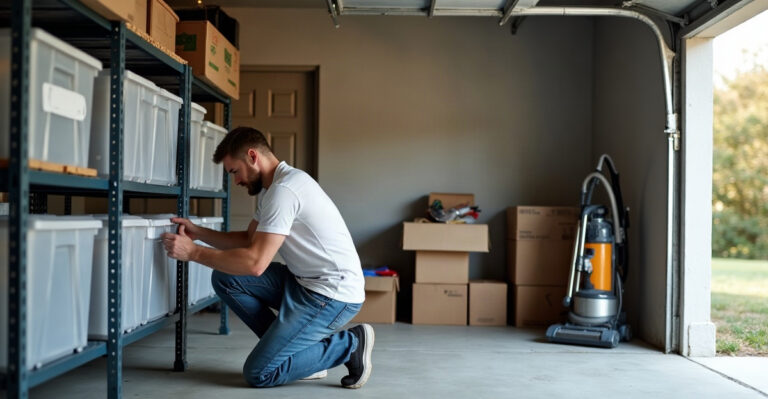
Simple prevention steps can make a meaningful difference. Seal appropriate gaps, repair damaged screens, reduce standing water, manage food and trash, and store pet food in secure containers. Keep vegetation trimmed away from structures. Reduce clutter in garages and sheds, and inspect stored items before bringing them indoors. Report new pest activity promptly so we can determine whether it needs attention before the next scheduled visit.
Quick Answers About Maintenance Plans
What is included in a pest control maintenance plan? Plans commonly include pest identification, inspections, exterior prevention, monitoring, seasonal adjustments, recommendations for entry-point repairs, and scheduled follow-ups. Interior treatment and pest coverage vary by plan.
How often should pest control maintenance be done? Frequency depends on the property, pest pressure, season, and plan details. A property with recurring activity may need a different schedule than one with occasional seasonal concerns. Our guidance on when to schedule pest control can help with seasonal planning.
Is a maintenance plan worth it after seeing one pest? One sighting does not always mean there is an ongoing problem. Repeated activity, seasonal patterns, or conditions that invite pests may justify an inspection and a prevention plan.
Can we request interior pest control between scheduled visits? Availability and follow-up policies vary by provider and plan. We recommend confirming this before enrolling, especially for properties with basements, storage areas, pets, or frequent indoor activity.
Do small businesses need a pest control maintenance plan? Ongoing prevention can be useful for businesses that need consistent monitoring, documented service, and a timely response to new activity.
Property owners and businesses in Idaho Falls, Twin Falls, Pocatello, Rexburg, Rigby, and nearby Eastern Idaho communities can request a pest inspection with Falls Pest Services. We’ll assess the concern, explain the options clearly, and help determine whether targeted service, ongoing prevention, or both make sense for the property.